
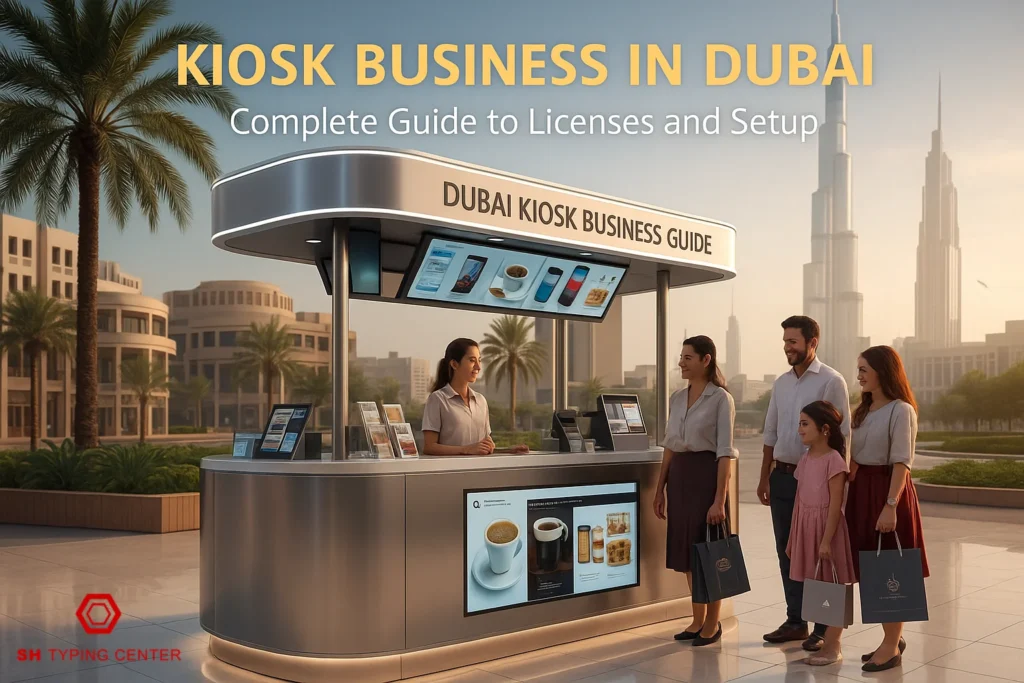
Dubai has emerged as one of the world’s top destinations for entrepreneurs and small business owners, offering a dynamic environment and lucrative opportunities for retail ventures. Among the most popular and cost-effective business models are kiosks, which can be found in shopping malls, busy markets and other high-footfall areas. These small yet strategic setups allow business owners to reach large audiences without heavy investment. However, starting a kiosk in Dubai requires obtaining a proper kiosk license and complying with all government regulations to avoid fines or legal issues. This article will guide you through the complete process, covering licensing requirements, setup costs, ideal locations and practical operational tips for running a successful kiosk business in Dubai.
Understanding Kiosk Business in Dubai
A kiosk business is a small, compact setup that allows entrepreneurs to sell products or services in high-traffic areas without the need for a full-sized shop. Kiosks are becoming increasingly popular in Dubai due to their flexibility and cost-effectiveness. They can be placed in shopping malls, business districts, metro stations or markets, making them ideal for reaching large audiences quickly.
Benefits of Starting a Kiosk
Starting a kiosk in Dubai comes with many advantages:
- Low Investment – Requires less capital compared to opening a full retail store.
- Flexible Locations – Can be set up in malls, markets or busy streets.
- Faster ROI – High foot traffic allows quicker sales and profits.
- Test Business Ideas – Entrepreneurs can experiment with products before scaling.
For small business owners looking for a compact retail setup, kiosks provide an affordable, flexible, and profitable option. You can even explore models like an eCommerce business in Dubai to expand your retail reach digitally.
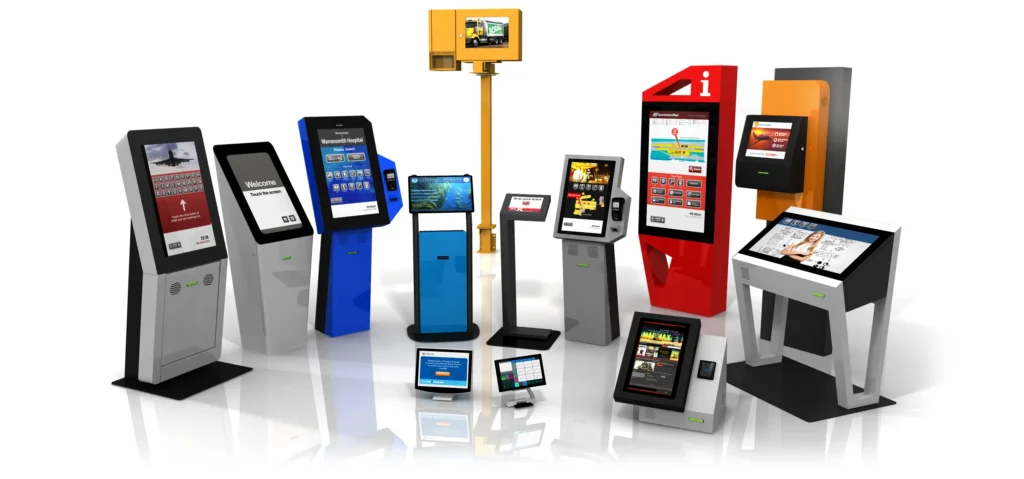
Types of Kiosks in Dubai
Dubai’s kiosk industry is as dynamic as the city itself. From shopping malls to airports and beaches, kiosks cater to every need; whether it’s selling, serving, informing or assisting customers. Below are the most common types you can set up based on your business idea and target audience.
1. Retail Kiosks
Retail kiosks are perfect for entrepreneurs looking to sell products in high-traffic areas without renting a full store.
You’ll find them in malls, metro stations and tourist zones selling:
- Fashion accessories, watches and cosmetics
- Electronics and mobile gadgets
- Gifts, toys and souvenirs
They offer great visibility, low setup costs and quick returns; ideal for small retail startups.
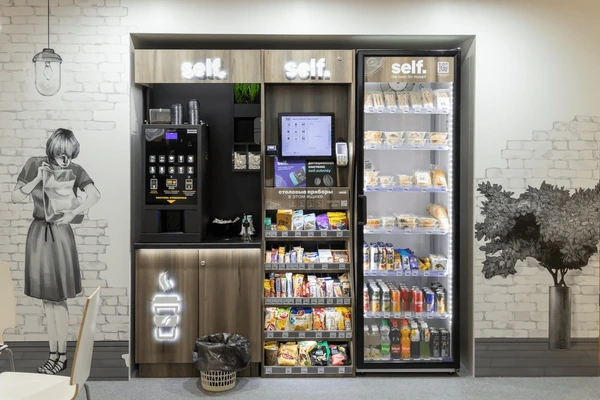
2. Food & Beverage (F&B) Kiosks
These kiosks attract food lovers across Dubai’s malls, beaches and parks. Businesses can sell:
- Coffee, juices and smoothies
- Ice cream, desserts and snacks
- Street food, wraps and mini meals
A great option for food entrepreneurs. You can sell coffee, snacks, or desserts in malls and parks. To learn more about the licensing and regulations for such setups, see this guide on starting a food and beverage business in Dubai.
3. Service Kiosks
Service kiosks make daily life easier by offering convenient and quick services such as:
- Mobile recharge, printing and photocopying
- SIM activation and bill payments
- Ticket booking and delivery tracking
They are small but highly functional setups, often found in busy areas like metro stations or shopping centers.
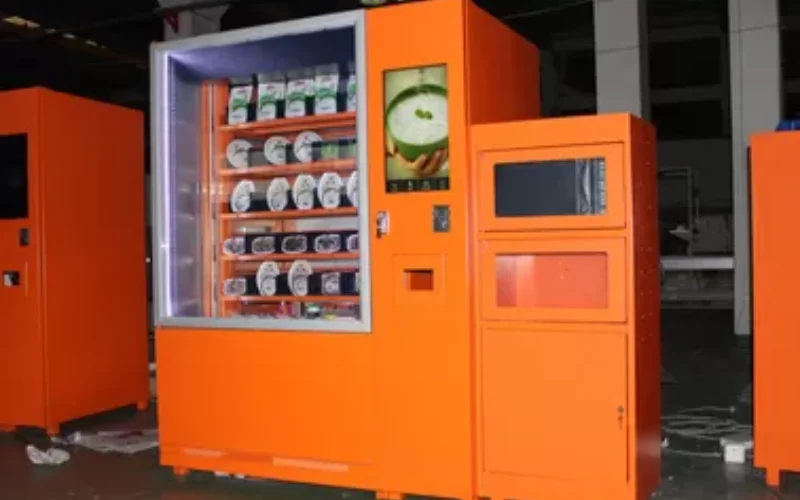
4. Rental Kiosks
Rental kiosks are becoming popular across Dubai’s malls and tourist spots. These offer short-term rentals for items like:
- Power banks, strollers and wheelchairs
- Scooters, bikes or beach equipment
They’re easy to manage and can generate consistent income with minimal staff.
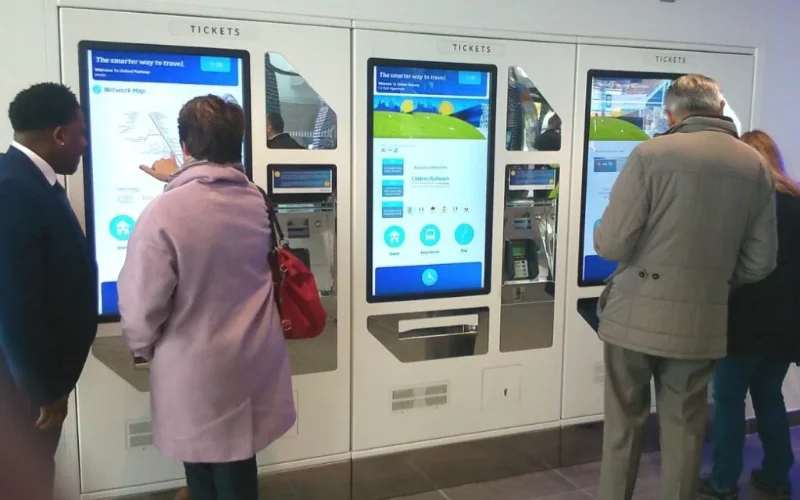
5. Self-Ticketing Kiosks
Used in cinemas, transport stations and event venues, self-ticketing kiosks allow visitors to book and print tickets instantly.
They reduce queues, improve user experience and fit perfectly with Dubai’s smart city goals.
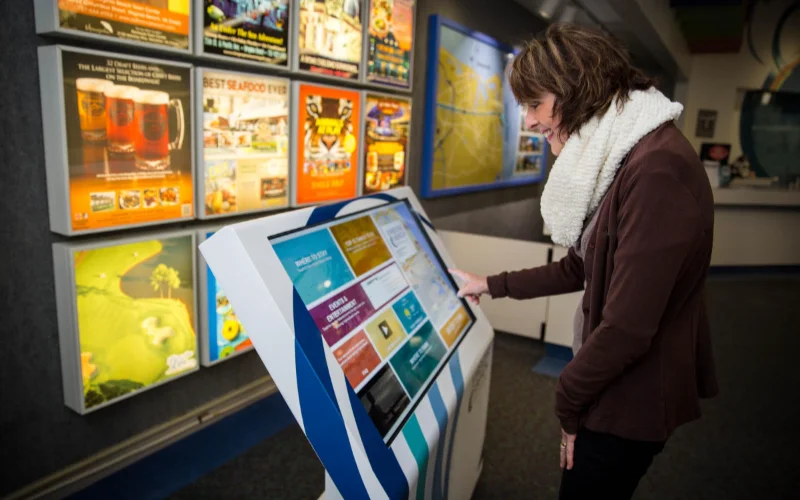
6. Informative Kiosks
These kiosks are designed to share useful details rather than sell products. Commonly found in malls, airports and government buildings, they display:
- Maps, directions and store locators
- Tourist information and event details
- Promotions or mall announcements
They help enhance customer experience and reduce staff workload.
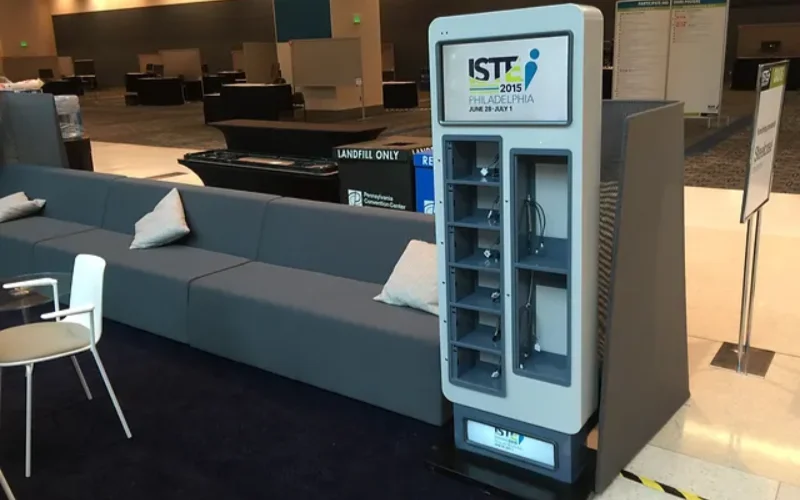
7. Charging Kiosks
Charging kiosks allow people to recharge their phones, tablets or laptops securely while shopping or waiting. Many businesses place them in public areas to attract more visitors and improve customer satisfaction.
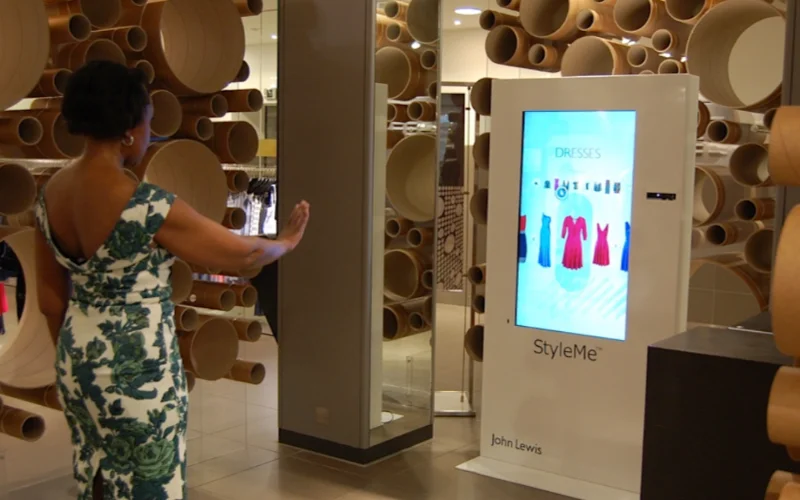
8. Virtual Kiosks
Virtual kiosks use touchscreens or augmented reality to offer immersive experiences. Customers can:
- Browse products
- Customize orders
- Interact with virtual assistants
They’re ideal for brands looking to combine innovation and convenience in their retail strategy.
9. Self-Ordering Kiosks
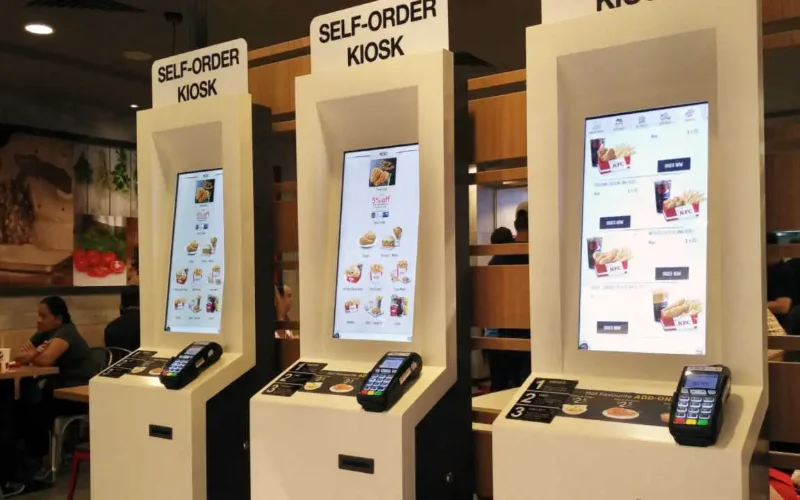
Common in restaurants, cafés and fast-food outlets, self-ordering kiosks let customers place and pay for orders digitally. They save time, reduce staffing needs and improve order accuracy. A trend growing fast across Dubai’s F&B sector.
10. Fitness & Wellness Kiosks
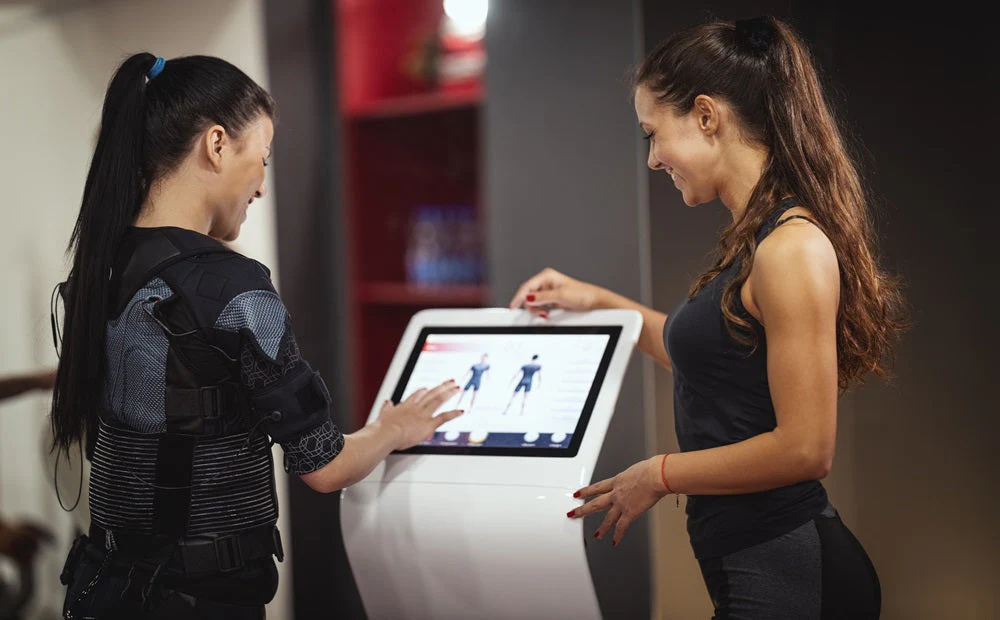
With Dubai’s focus on health, fitness-oriented kiosks are trending. Read how professionals are building this niche in our fitness coach in Dubai guide.
From retail to rental, Dubai’s kiosk options cater to every kind of business dream. Each model offers flexibility, low overhead costs and direct access to customers. Making kiosks one of the smartest ways to launch or expand your business in the UAE.
Legal Requirements for Kiosk Business in Dubai
Starting a kiosk in Dubai is exciting but it comes with clear legal obligations. Following Dubai business regulations ensures your venture runs smoothly and avoids fines or penalties. Every kiosk owner must comply with the rules set by the Dubai Municipality and the Department of Economic Development (DED). Legal approval is not just paperwork; it protects your business and builds trust with customers and landlords.
Licensing Requirements
Before opening a kiosk, you need the right approvals:
- Trade License: Issued by DED, this allows you to legally operate your business in Dubai.
- Commercial Permit: Required for specific business activities, depending on your products or services.
- Mall or Property Approvals: If your kiosk is inside a shopping center, you must get consent from the management. They often have rules about size, location and design.
Types of Licenses Applicable
Depending on your business activity, different licenses may apply:
- Commercial License: Ideal for selling products or retail items.
- Professional License: Suitable if your kiosk provides services like consultations or workshops.
- Industrial License: Industrial License: For kiosks with on-site production. Learn more about this type in our detailed guide to the industrial license in Dubai.
Following these legal requirements ensures that your kiosk operates smoothly, avoids disruptions and maintains credibility. Compliance also simplifies future expansions or adding new products.
Step-by-Step Process to Obtain a Kiosk License in Dubai
Starting a kiosk in Dubai requires proper planning and legal approvals. Following the right steps ensures your business is compliant and avoids unnecessary delays. Here’s a clear guide to help you through the business registration and trade license process.
1. Decide on Your Kiosk Type and Business Activity
Before applying for a license, identify the kind of kiosk you want to operate. Common categories include:
- Food and beverage kiosks
- Retail product kiosks (clothing, electronics, accessories)
- Service-based kiosks (mobile repair, printing, ticketing)
Your business activity determines the type of Dubai trade license you need.
2. Choose the Right Location
Selecting the right location is crucial for success. Options include:
- Popular shopping malls
- Open-air markets or souks
- Public high-footfall areas
The location affects your license requirements and approval process.
3. Prepare Required Documents
You will need several documents for business registration:
- Passport copy and valid UAE visa
- Emirates ID of the owner
- Detailed business plan describing products or services
- No Objection Certificate (if applicable)
Having complete documents speeds up approval and avoids delays.
4. Apply for Trade License
Submit your application to the Dubai Department of Economic Development (DED) or the relevant free zone authority. Ensure your application matches the selected business activity.
5. Get Approvals from Property Management
If you are setting up in a mall or managed property, obtain approval from the management. They may check your kiosk design, products and safety compliance.
6. Pay Fees and Obtain License
Once approved, pay the necessary fees. After payment, your kiosk license is issued. You are now legally ready to start your kiosk business in Dubai.
Following these steps carefully ensures a smooth business setup process and full compliance with Dubai regulations.
Kiosk Setup and Operational Costs
Starting a kiosk in Dubai is one of the most affordable ways to enter the retail market. However, understanding the setup and operational costs is essential to plan your budget and avoid surprises. Costs can vary widely depending on the location, type of products and scale of your kiosk.
Typical Costs to Consider
When setting up a kiosk, here are the main expenses to account for:
- License Fees: Obtaining a valid kiosk license in Dubai is mandatory. Fees depend on the type of business activity and whether it’s a professional, commercial or industrial license.
- Location Rent: Kiosk rental Dubai prices vary greatly between malls, markets and standalone areas. High-footfall malls are more expensive but offer better visibility.
- Equipment and Fixtures: Shelves, counters, display racks and signage are necessary for an appealing setup.
- Initial Stock: Inventory costs depend on your product type, from fashion accessories to snacks or electronics.
- Operational Expenses: Utilities, staff salaries, marketing and maintenance are recurring costs to include in your budget.
Mall Kiosks vs Market Kiosks
- Mall Kiosks: Rent is higher, ranging from AED 5,000 to AED 20,000 per month depending on location and size. They attract more customers, which can boost sales.
- Market or Souk Kiosks: Rental fees are lower, starting from AED 2,000 per month. While footfall may be lower, these locations are suitable for small-scale startups or niche products.
Tips for Budgeting and Cost-Effective Setup
- Prioritize essential equipment first and upgrade later.
- Start with minimal stock to test demand before bulk investment.
- Negotiate rental contracts and check for seasonal offers or discounts.
- Use affordable marketing methods like social media, flyers and collaborations with nearby stores.
- Consider co-sharing a kiosk with complementary businesses to reduce operational expenses.
Kiosks are a great way to test your product’s market before scaling into a full retail or online model like an eCommerce business in Dubai.
Choosing the Right Location for Your Kiosk
Selecting the perfect location is one of the most important steps in launching a successful kiosk business in Dubai. Your location determines the number of customers you can reach, the visibility of your brand and ultimately, your sales.
High-footfall areas are ideal for kiosks. Consider locations such as:
- Shopping malls: Popular malls attract thousands of shoppers daily.
- Metro and transit stations: Commuters create steady traffic throughout the day.
- Tourist hotspots: Areas near attractions bring in international visitors.
- Business districts: Offices and co-working hubs offer potential lunchtime or after-work sales.
Strategic positioning can make a big difference. Place your kiosk where customers naturally gather, near entrances, popular stores or seating areas. This increases the chance of attracting attention and boosting impulse purchases.
When negotiating contracts with mall or property owners, consider:
- Rent and service charges
- Duration and flexibility of the lease
- Access to utilities and maintenance services
- Marketing support offered by the mall
Remember, a high-traffic location does not always guarantee success. Understanding your target audience is key. If your kiosk sells premium products, positioning near luxury stores may work best. For fast-moving items, a location near family-friendly or tourist areas might perform better.
Focusing on kiosk location strategy and customer footfall analysis can help you maximize visibility and profitability. Investing time in choosing the right spot ensures that your kiosk attracts steady traffic and becomes a recognizable part of Dubai’s retail landscape.
Marketing Tips for Kiosk Business in Dubai
Running a kiosk in Dubai is not just about having a great product. How you market your kiosk can make a huge difference in attracting customers and building a loyal audience. Small businesses in Dubai face stiff competition, so smart marketing strategies are essential to stand out.
Leverage Social Media for Local Promotion
Social media platforms like Instagram, Facebook and TikTok are powerful tools for kiosk businesses. You can:
- Post high-quality photos and videos of your products.
- Share daily updates about offers, new stock or special promotions.
- Engage with local communities using Dubai-specific hashtags and location tags.
This helps increase brand visibility and attracts customers who are searching for products nearby.
Eye-Catching Kiosk Design and Branding
Your kiosk should be visually appealing and easy to recognize. Think about:
- Bright, attractive signage that reflects your brand identity.
- Organized and clean product displays for a pleasant shopping experience.
- Consistent branding across packaging, banners and social media.
A well-designed kiosk makes your business memorable and encourages passersby to stop and check out your products.
Promotions and Loyalty Programs
Offering promotions and rewards keeps customers coming back. Consider:
- Limited-time discounts or bundle offers.
- Loyalty cards or points programs for repeat purchases.
- Special deals for first-time customers to create initial interest.
These strategies improve customer engagement and help small business owners in Dubai build a steady flow of loyal clients.
Collaborate with Influencers and Local Communities
Partnering with local influencers or community groups can boost your kiosk’s reach. They can:
- Showcase your products to a larger audience.
- Provide honest reviews that build trust.
- Create buzz around new launches or seasonal products.
Focusing on a mix of digital marketing, attractive design and customer-centric promotions ensures your kiosk business not only attracts attention but also sustains growth in Dubai’s competitive retail environment.
Common Challenges and How to Overcome Them
Running a kiosk business in Dubai is exciting but it comes with its own set of challenges. Being aware of these issues and knowing how to handle them can save time, money and stress. Here are the most common hurdles small business owners face and practical tips to overcome them.
1. Competition in Malls and Markets
High-traffic areas are attractive for kiosk owners but they also bring stiff competition. Multiple kiosks selling similar products can make it hard to stand out.
Tips to overcome:
- Focus on unique products or services that differentiate your kiosk.
- Offer special promotions, discounts or bundle deals.
- Engage customers with friendly and personalized service.
- Use signage, branding and social media to attract attention.
2. Permit or License Renewal Issues
Visa, trade and kiosk licenses require regular renewal. Missing deadlines can lead to fines or even business closure.
Tips to overcome:
- Keep a renewal calendar for all permits and licenses.
- Work with reliable typing centers or consultants to ensure paperwork is correct.
- Confirm requirements from government portals like DED or ICP Smart Services ahead of time.
3. Seasonal Demand Fluctuations
Sales can rise and fall depending on festivals, holidays or tourism seasons. Low-demand periods can affect revenue.
Tips to overcome:
- Analyze sales data to identify high and low seasons.
- Offer seasonal promotions or limited-time products to boost sales.
- Consider diversifying your product line to appeal year-round.
4. Staff and Inventory Management
Hiring the right staff and maintaining adequate stock is a challenge for small kiosks. Poor management can lead to customer dissatisfaction or lost sales.
Tips to overcome:
- Train employees to handle multiple roles efficiently.
- Maintain an inventory tracking system to avoid shortages or overstock.
- Schedule staff according to peak business hours to optimize productivity.
By understanding these common business challenges in Dubai, kiosk owners can plan ahead and run their operations smoothly. Proactive management, proper licensing and smart business strategies are key to overcoming obstacles and achieving long-term success.
Renewal and Compliance
Running a kiosk in Dubai is exciting but keeping your business legal is equally important. Every kiosk license has a validity period, usually one year, after which it must be renewed to continue operations. Failing to renew on time can result in fines, penalties or even closure of your kiosk.
Renewal Process and Fees
Renewing a kiosk license in Dubai is straightforward but requires attention to detail. Most kiosks can be renewed through the Department of Economic Development (DED) or the relevant free zone authority. Here’s what to expect:
- Submit the renewal application before the expiry date.
- Pay the renewal fees, which may vary depending on your kiosk type and location.
- Provide updated documents, including trade license copies, tenancy contracts and owner identification.
Businesses operating longer than two years may qualify for visa categories like the UAE Silver Visa, which provides long-term residency benefits for entrepreneurs and investors.
Regulatory Compliance
Compliance is not just about renewing the license. Your kiosk must follow all applicable labor laws, health and safety regulations and food hygiene standards if you operate an F&B kiosk. Regular inspections by authorities ensure that you meet government standards. Staying compliant avoids penalties and builds trust with customers.
Key points to remember:
- Mark your renewal date on the calendar.
- Keep all paperwork organized and ready.
- Follow labor laws and health regulations strictly.
Maintaining regulatory compliance and timely license renewal ensures your kiosk operates smoothly, protects your investment and strengthens your reputation in Dubai’s competitive market.
Launch Your Dubai Kiosk with Confidence
Starting a kiosk in Dubai can be a rewarding venture if done the right way. From securing your kiosk license to choosing the perfect location and staying compliant with regulations, every step matters. With proper planning, your kiosk can attract steady footfall, increase sales and grow your small business successfully.
At SH Typing Center, we simplify the licensing process, help with paperwork and guide you through every government requirement. Whether it’s your first kiosk or an expansion of your business, our expertise ensures a smooth setup and worry-free operations.
Take the first step today. Contact SH Typing Center to get your kiosk license, approvals and expert advice; all under one roof. Your Dubai kiosk business journey starts here, hassle-free and fully compliant.
FAQs
How much does a kiosk license cost in Dubai?
The cost of a kiosk license in Dubai depends on factors such as the location of the kiosk, type of business activity and the size of the kiosk. Premium mall locations or high-footfall areas may cost more than standalone locations. Additional fees may apply for special approvals or services.
Can I run a food kiosk in Dubai malls?
Yes, running a food kiosk in Dubai malls is possible but you need approvals from the Dubai Municipality. A separate food license is mandatory to ensure compliance with health, safety and hygiene regulations. You may also need approvals for menu items and staff training.
How long does it take to get a kiosk license in Dubai?
The license process usually takes between 1 to 3 weeks. The timeline depends on how quickly your documents are ready, the type of kiosk and approvals from authorities. Choosing an experienced service provider can help speed up the process.
Do I need a local sponsor for a kiosk business in Dubai?
Whether a local sponsor is needed depends on the business location. For kiosks in Dubai mainland areas, a UAE national sponsor may be required. In free zones, you can often have 100% foreign ownership without a local partner. Regulations vary based on the license type.
Can I operate multiple kiosks under one license?
Typically, each kiosk requires its own separate license. However, some free zones or special agreements may allow operating multiple kiosks under a single license. It’s important to confirm with the licensing authority to avoid compliance issues.
