
Crypto in the UAE has become one of the fastest-growing financial trends. From investors to startups, many are exploring digital currencies like Bitcoin and Ethereum. But a common question still arises, is crypto legal in the UAE? The good news is yes, the UAE recognizes and regulates cryptocurrency through licensed authorities. In this article, we’ll explain how crypto is managed, which agencies regulate it, and how you can safely invest or trade digital assets within the country.
Understanding Cryptocurrency in the UAE
Cryptocurrency is a digital form of money that works on blockchain technology. It allows users to send and receive payments directly without banks or middlemen. Every transaction is recorded securely on a decentralized network, making it transparent and tamper-proof.
People use crypto for online payments, trading, and long-term investments. The concept is simple: digital coins you can buy, sell, or store safely in wallets.If you are setting up a crypto-related business or fintech service, you may need to register your trade activity under the right license category. Learn more about it in this guide on how to start an ecommerce business in Dubai.
Popular Coins Traded in the UAE
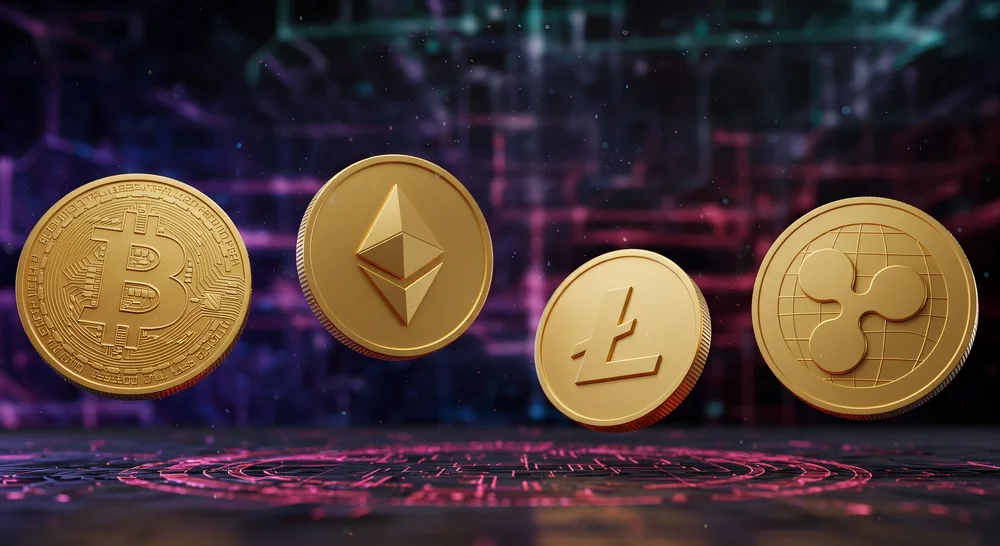
The UAE market is home to a wide range of cryptocurrencies. Some of the most traded coins include:
- Bitcoin (BTC) – The first and most popular cryptocurrency used worldwide.
- Ethereum (ETH) – Known for smart contracts and decentralized apps.
- Tether (USDT) – A stablecoin pegged to the US dollar, ideal for low-risk trading.
- BNB, Solana, and Ripple (XRP) – Other major coins gaining traction in UAE exchanges.
Many UAE-based traders prefer regulated exchanges such as Binance MENA, BitOasis, and Kraken for buying and selling these coins safely.
UAE’s Role as a Global Hub for Blockchain Innovation
The UAE isn’t just allowing crypto; it’s leading global blockchain innovation.
Through the UAE Blockchain Strategy 2031, the government aims to digitize most transactions. Dubai has also emerged as a center for crypto startups, thanks to VARA’s transparent regulatory system.
This approach mirrors how the country simplifies business formation and licensing; similar to how obtaining an industrial license in Dubai helps new tech companies operate legally.
Growing Local Adoption
Crypto adoption in the UAE is rising fast. Both residents and businesses are embracing digital currencies for investment and payments.
Here’s how:
- Young professionals are investing in Bitcoin and Ethereum as long-term assets.
- Businesses are beginning to accept crypto payments for services and products.
- Real estate companies in Dubai are offering property purchases using crypto.
With clear regulations and government support, more people now see crypto as a legitimate and secure part of the UAE’s digital economy.

Is Crypto Legal in the UAE?
Yes, crypto is legal in the UAE. Residents and businesses can buy, sell, and trade digital assets through approved platforms. However, cryptocurrencies are not considered legal tender like the UAE Dirham. They are recognized as virtual or digital assets that must be traded only through licensed channels.
How the UAE Regulates Cryptocurrency
The UAE has taken a proactive approach to digital currencies. Instead of banning crypto, the government created clear rules to make trading safe and transparent for everyone. This makes the UAE one of the most crypto-friendly nations in the region.
Licensed Platforms Only
If you want to trade or invest, use only approved crypto exchanges. Platforms must hold valid licenses issued by local or federal regulators. This protects investors from scams and ensures that all transactions follow UAE financial laws.
Key Regulatory Authorities
- VARA (Virtual Assets Regulatory Authority) – Oversees crypto activities and licensing in Dubai.
- ADGM (Abu Dhabi Global Market) – Regulates virtual asset service providers operating in Abu Dhabi.
- SCA (Securities and Commodities Authority) – Manages federal-level crypto laws and sets standards for trading across the UAE.
Each authority ensures exchanges follow the same trust-driven model as those managing GDRFA-related services in Dubai, where legal processes are digitized and closely monitored.
What This Means for You
- You can own and trade crypto legally in the UAE.
- Transactions should be done through regulated exchanges only.
- Always check if a platform is registered with VARA, ADGM, or SCA before using it.
The UAE’s balanced framework gives investors confidence while keeping the market secure. With clear guidelines and strong oversight, the country continues to build a trusted environment for crypto trading and blockchain innovation.
Legal Framework and Key Regulations
The UAE Cabinet Resolution No. 111 of 2022 sets the foundation for crypto-related activities.
This includes licensing, AML/KYC compliance, and reporting duties for all crypto service providers.
Businesses must follow rules similar to other regulated activities like tourism and finance. For instance, digital companies that also manage client travel data or fintech services may need a travel and tourism license in Dubai for full compliance.
UAE Cabinet Resolution No. 111 of 2022
This regulation acts as the foundation for all crypto-related activities in the UAE. It sets the rules for how digital assets can be traded, stored, or offered within the country. The goal is to protect users, prevent fraud, and create a regulated space for innovation.
Licensing Requirements
Crypto exchanges, wallet providers, and brokers cannot operate without proper licenses. These are issued by authorities such as:
- VARA (Virtual Assets Regulatory Authority) in Dubai
- ADGM (Abu Dhabi Global Market) for Abu Dhabi-based entities
- SCA (Securities and Commodities Authority) for nationwide operations
Each license ensures that platforms follow legal standards and maintain transparency in transactions.
AML and KYC Compliance
Anti-Money Laundering (AML) and Know Your Customer (KYC) policies are at the heart of UAE’s crypto laws. These rules help track transactions, verify users, and prevent illegal activities. All crypto businesses must:
- Verify customer identity before trading
- Monitor suspicious transactions
- Report unusual activity to authorities
Registration and Reporting Obligations
Every business that handles crypto in the UAE must be registered with the proper authority. This includes companies offering trading, custody, or advisory services. Registration ensures accountability, data protection, and adherence to government oversight.
How to Trade Cryptocurrency Legally in the UAE
Trading cryptocurrency in the UAE is simple once you follow the right process. The country has made crypto trading safe and transparent by allowing only licensed digital exchanges to operate. Whether you are in Dubai or Abu Dhabi, here’s how you can start securely.
Step-by-Step Guide
1. Pick a Licensed Exchange: Start by choosing a trusted and approved crypto trading platform in the UAE such as Binance MENA, BitOasis, eToro, or OKX. These platforms follow UAE crypto laws and operate under the supervision of regulators like VARA and ADGM.
2. Complete KYC Verification: Verify your identity by submitting your Emirates ID or passport. This step is mandatory under UAE compliance rules to ensure security and prevent fraud.
3. Deposit Your Funds Safely: Add funds to your crypto account through local bank transfer, credit card, or UAE-based payment gateways. Always use your own account for deposits to avoid restrictions.
4. Start Trading Smartly: Buy, sell, or exchange cryptocurrencies based on your goals. Many UAE traders prefer popular coins such as Bitcoin, Ethereum, and XRP due to their liquidity and stability.
5. Store Your Assets Securely: Keep your digital currencies in a secure crypto wallet. You can use a hardware wallet or a trusted online wallet with strong authentication to protect your funds.
Pro Tip
Trade only on exchanges that are officially approved by VARA (Virtual Assets Regulatory Authority) in Dubai or ADGM (Abu Dhabi Global Market). This ensures your trading is legal and your funds are protected under UAE digital asset regulations.
Taxation on Cryptocurrency in the UAE
One of the biggest advantages of trading or investing in crypto in the UAE is its tax-friendly system. The country offers a business environment that supports innovation while keeping taxation simple and transparent.
No Personal Income Tax on Crypto Profits
If you’re an individual buying, selling, or holding digital assets like Bitcoin or Ethereum, you don’t have to worry about personal income tax. Profits made from crypto trading are not taxed in the UAE, which makes the country an attractive hub for investors and traders worldwide.
When Corporate Tax May Apply
Businesses involved in regular crypto-related activities, such as exchanges or trading firms, may be subject to the UAE’s corporate tax rules. The new corporate tax system, introduced in 2023, applies mainly when crypto forms part of a company’s core business operations.
For example:
- A registered crypto exchange or brokerage
- A company earning consistent revenue from digital asset trading
These entities might need to declare profits and pay tax under UAE corporate tax laws.
Keep Clear Records and Stay Compliant
Even with low taxes, proper documentation is essential. Keep records of:
- All transactions and wallet addresses
- Exchange receipts and payment proofs
- Any business activities linked to crypto
Maintaining transparency ensures smooth audits and compliance with UAE regulations in the future. If you’re working in health or hospitality sectors that accept crypto payments, ensure your staff have valid permits like the Occupational Health Card in Dubai to stay compliant.
Key Takeaway
While crypto taxation in the UAE remains light for individuals, businesses must stay updated with evolving rules. Working with professional advisors or authorized centers can help manage filings and stay compliant without confusion.
Risks and Considerations
Before you step into crypto trading or investment in the UAE, it’s important to understand that digital currencies carry both opportunities and risks. Knowing these can help you make smarter and safer choices.
1. Crypto Market Volatility
The crypto market can rise and fall within hours. Prices of coins like Bitcoin or Ethereum may jump one day and drop sharply the next. This unpredictability makes crypto exciting, but also risky for new investors. Always invest only what you can afford to lose.
2. Risk of Scams or Unlicensed Platforms
Not every platform that offers crypto trading is genuine. Many fake exchanges and wallet apps appear legitimate but steal user funds. Always check if the platform is approved by UAE regulators such as VARA (Virtual Assets Regulatory Authority) or ADGM. Avoid sending money to unknown wallets or links shared on social media.
3. No Refund or Loss Protection
Unlike banks, cryptocurrencies do not have customer protection. If you send funds to the wrong address or fall for a scam, there is usually no way to recover your money. Transactions are final and irreversible, so double-check every detail before you confirm.
4. Choose Regulated Brokers and Secure Wallets
To stay safe, trade only through licensed brokers and exchanges. Use strong passwords and enable two-factor authentication on your crypto accounts. For long-term storage, consider a hardware wallet instead of keeping all assets online. This helps protect your coins from hacking and cyber theft.
The Future of Cryptocurrency in the UAE
The UAE is stepping confidently into a digital future. Dubai, in particular, is on track to become a global crypto hub by 2030. With bold government initiatives and growing investor interest, the country is shaping a new era for digital finance.
Government Vision and Support
The UAE leadership continues to back blockchain and crypto innovation. Multiple free zones such as DIFC and ADGM already have clear frameworks for digital assets. This transparency gives investors and startups the confidence to operate safely within the law.
Dubai Metaverse Strategy
The Dubai Metaverse Strategy is another key driver of this vision. It aims to create over 40,000 virtual jobs by 2030 while boosting the digital economy. From virtual real estate to blockchain-based identities, Dubai is setting the foundation for a fully connected digital ecosystem.
Growing Career Opportunities
As blockchain technology spreads, so do job opportunities. New roles are emerging in crypto trading, blockchain development, fintech innovation, and digital security. This shift is attracting global talent and opening doors for local professionals interested in tech and finance.
What to Expect Next
- Expansion of crypto education and awareness programs
- More partnerships between government and blockchain startups
- Development of secure, UAE-based crypto exchanges
- Greater adoption of Web3 and decentralized technologies
The UAE isn’t just adapting to crypto — it’s leading the transformation. By combining innovation, regulation, and vision, the country is setting the stage for a powerful digital economy where crypto plays a central role.
The UAE’s Smart Move Toward a Secure Crypto Future
The UAE stands as a leader in digital innovation. Its clear laws, proactive regulators, and forward-thinking government make crypto both safe and accessible for investors and businesses.
Always use licensed exchanges, stay updated with VARA or SCA announcements, and protect your assets through verified platforms.
For investors seeking long-term opportunities, consider exploring options under the UAE’s special visa programs such as the Silver Visa UAE, which supports professionals and entrepreneurs contributing to innovation and the economy.
FAQs
Q1: Is cryptocurrency legal in the UAE in 2025?
Yes, it is legal to trade and own crypto in the UAE as long as it’s done through licensed exchanges approved by VARA or ADGM.
Q2: Can I buy Bitcoin in Dubai using AED?
Yes, several licensed exchanges in Dubai allow users to buy Bitcoin using AED or credit/debit cards.
Q3: Do I need a license to trade crypto in the UAE?
Individual investors don’t need a license, but crypto companies, exchanges, and brokers do.
Q4: Is crypto income taxable in the UAE?
There’s no personal income tax on crypto earnings, but businesses handling crypto may fall under corporate tax rules.
Q5: What’s the safest way to invest in crypto in Dubai?
Use authorized exchanges like Binance MENA or BitOasis, enable two-factor authentication, and store your assets in a secure wallet.
